Conservation project for an endangered snail species
A true rarity
Cochlicopa nitens is a true rarity. It is so rare that it can almost rival the legendary “snail kings” - snails with left-coiled shells. Very little is known about this species.
At Lake Dittlig (BE), the presence of the species has been known for some time and is well documented. There, the Department of Nature Conservation (ANF) of the canton of Bern initiated a comprehensive study of the rare snail species in response to the heated debate over lowering the water level to facilitate agricultural use.


From Lake Dittlig to Other Sites
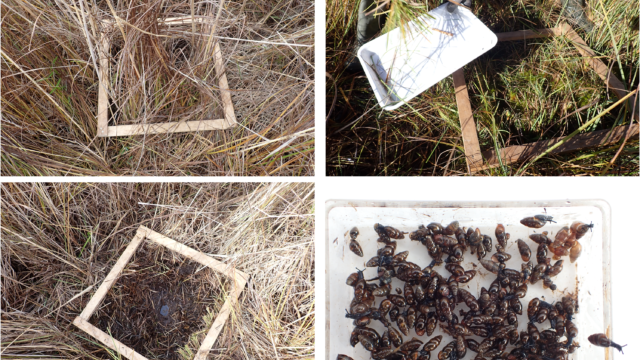
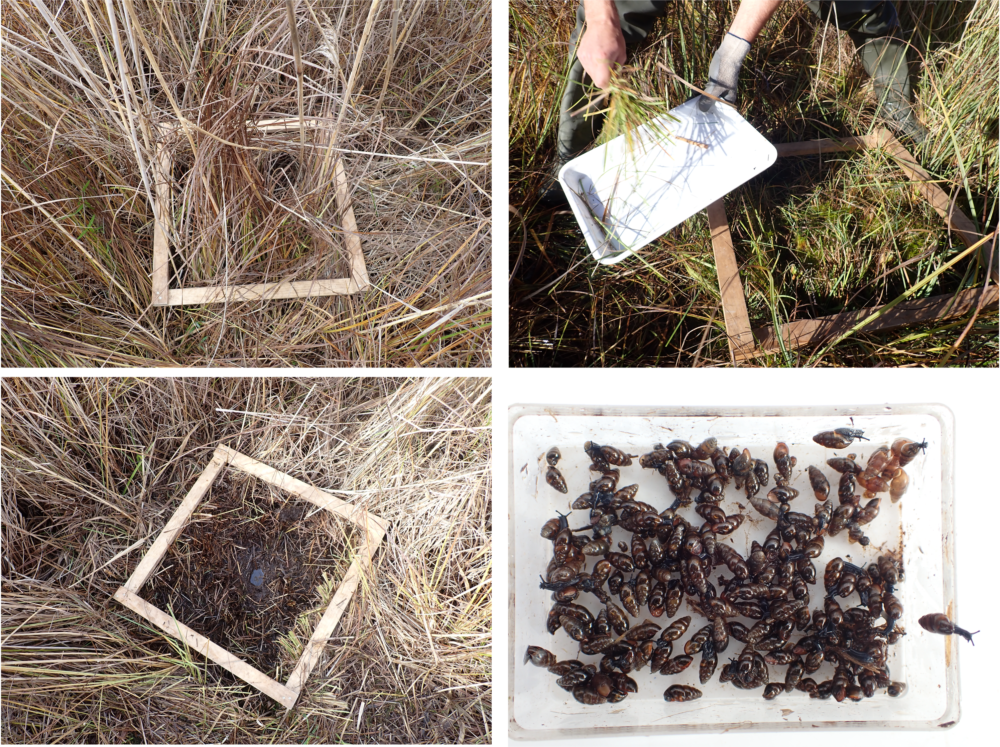
A specially developed monitoring program was used to collect data on population densities and habitat characteristics and to analyze their relationship. To draw meaningful conclusions, all 9 sites in Switzerland were surveyed in collaboration with the Canton of Schaffhausen and the Grande Cariçaie Association, in addition to Lake Dittlig.
Seek and you shall find
The data confirm the unique nature of this rare snail: its occurrence is limited to sites in close proximity to the water table, where a permanently moist layer of moss protects it from drying out. On the other hand, there is a risk of prolonged flooding, which can be particularly fatal in winter when the animals are buried in the soil. The species therefore prefers microhabitats that allow the snail to move vertically. The tufts of the tall sedge (Carex elata) are particularly favored for this purpose. The detailed results were published in a scientific journal and thus made available to other mollusk researchers and conservationists.
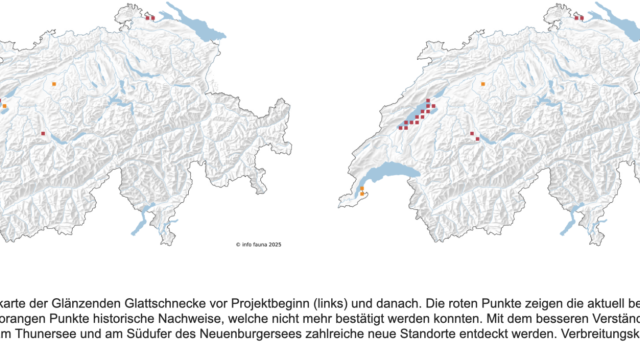
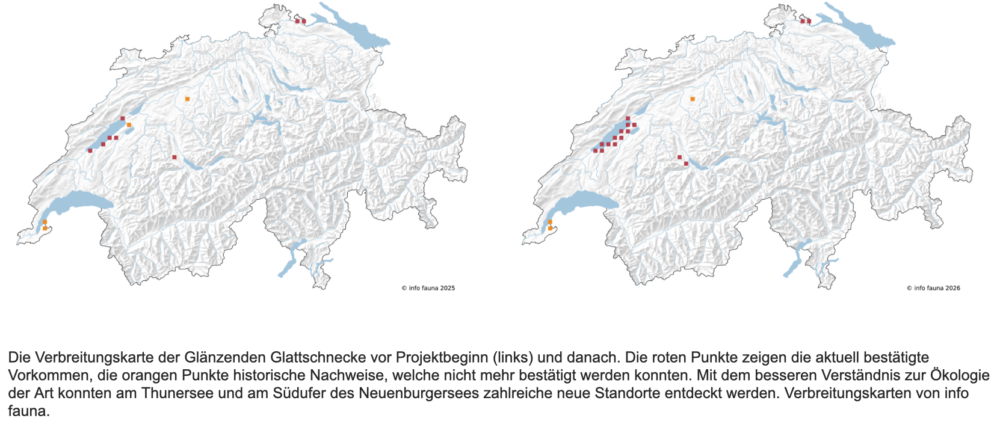
Based on these findings, two additional sites of the shiny smooth snail were discovered in the canton of Bern (Gwattlischemoos and Fanel). Numerous other discoveries were also made in the Grand Cariçaie at Lake Neuchâtel. It is noteworthy that, of the 16 known sites, all but one are located in cantonal nature reserves.


This rare species remains under pressure
So is Cochlicopa nitens far less endangered than initially feared? Probably not: its habitats and populations are under severe pressure, particularly due to advancing climate change. At the two known sites on the Rhine, for example, the species appears to be on the brink of extinction due to the extreme spring drought of 2025. At Lake Dittlig, where the project was originally launched, management practices have since been adapted to the needs of this rare species. This gives hope that the population will be able to survive even in the face of climate change.


Person to contact
