Interim report following 25 years of Biodiversity Monitoring Switzerland
How BDM conducts its surveys
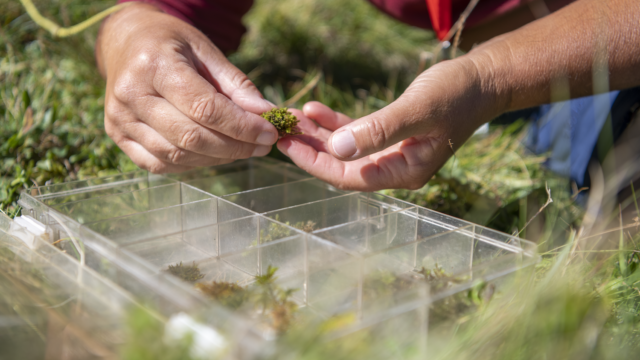
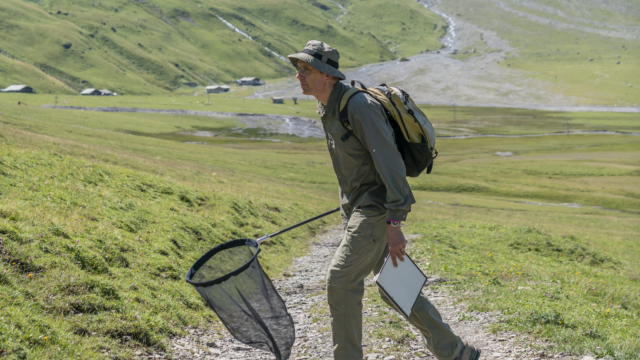
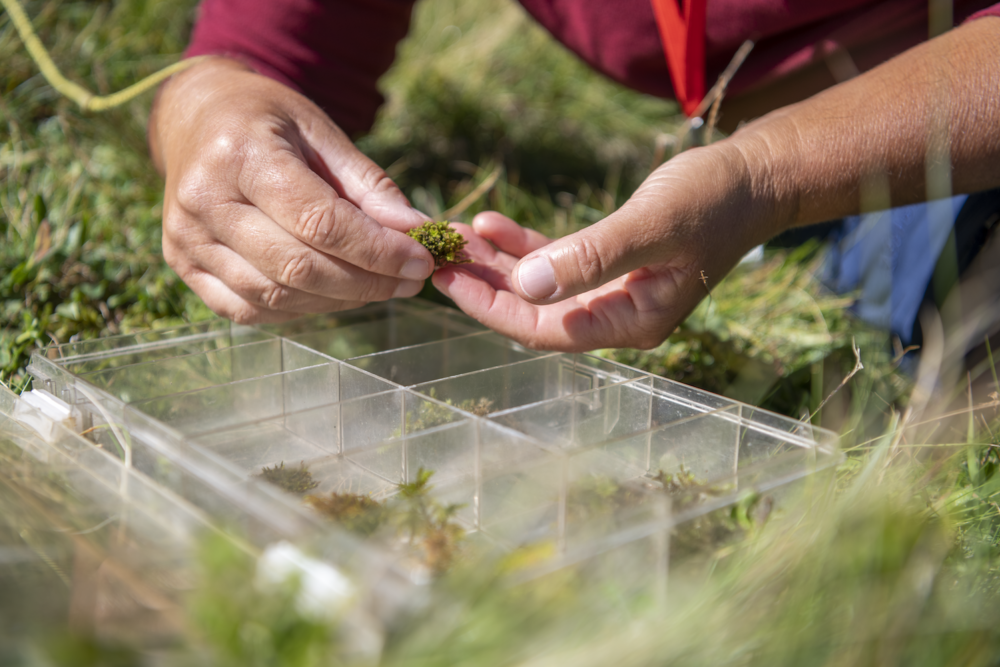
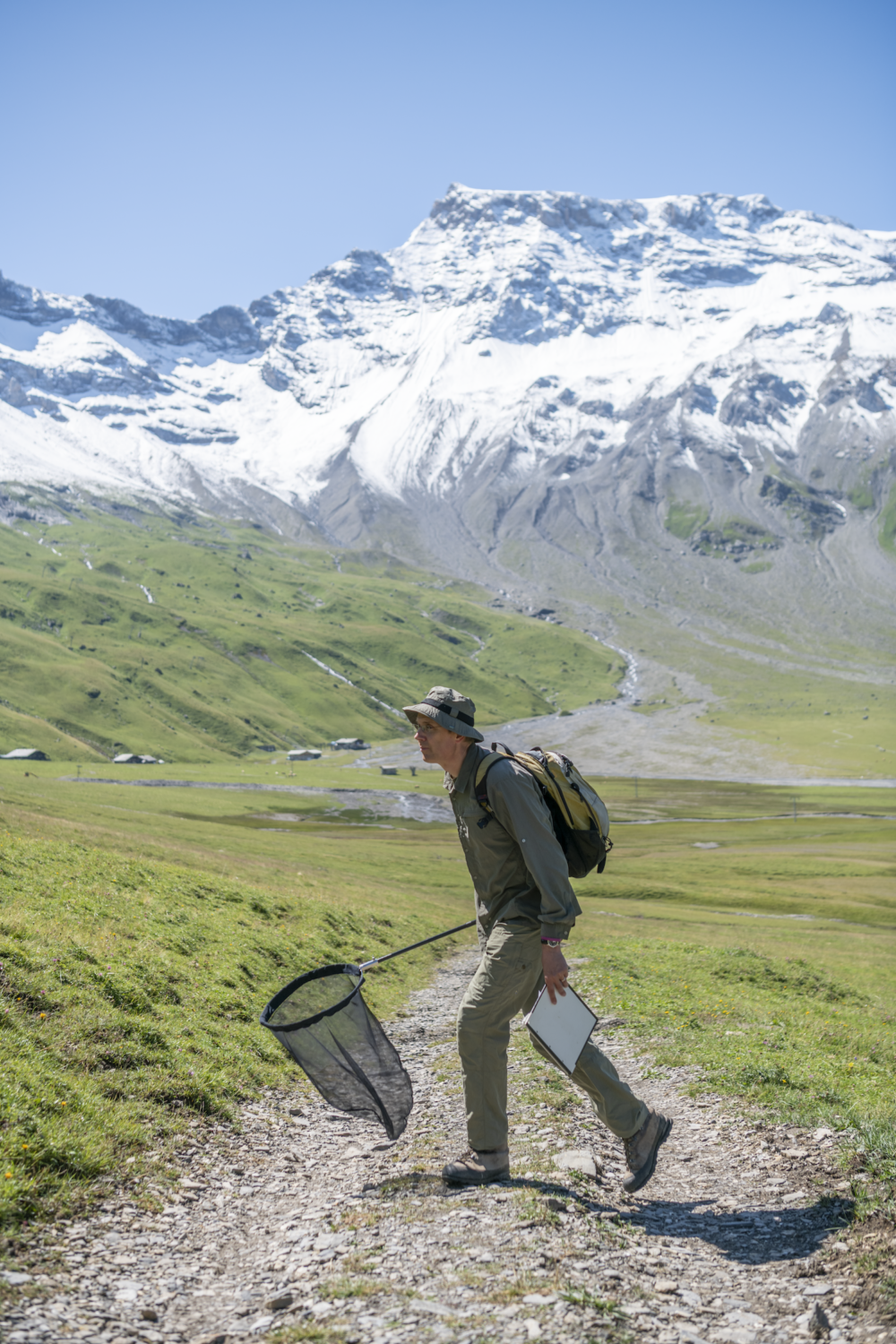
The sample plots follow a regular grid across Switzerland. They cover agricultural areas, forests, urban areas and high mountain areas, regardless of whether the sites are protected or intensively used. The survey covers vascular plants, butterflies, breeding birds, mosses, molluscs and aquatic insects. A complete monitoring cycle lasts five years.
Programme and monitoring networks
The report begins by describing the BDM’s remit and role within the national monitoring programmes. It then presents the three monitoring networks – landscapes, terrestrial habitats and watercourses – provides key figures on recorded species, surveys and staff, and explains how the indicators are calculated.
All indicators at a glance
For each species group and each monitoring network, graphs with an identical layout show how species diversity and the diversity of species communities have developed since monitoring began: across Switzerland, by biogeographical region or by habitat. Each indicator profile includes a brief interpretation and guidance on how to use the data.

Seven topics explored in depth
A separate chapter examines seven selected topics: the trend in species diversity in Switzerland; trends for individual species in the butterfly index; causes of change beyond climate change; the impact of land use; biodiversity in urban areas; trends in water quality; and the added value of combining BDM data with other data sources.
Report and summary
The summary (8 pages) is available in German, French and Italian, whilst the full report (93 pages) is available in German. Both are available for download on the BDM website; the full report is also available on the FOEN website.